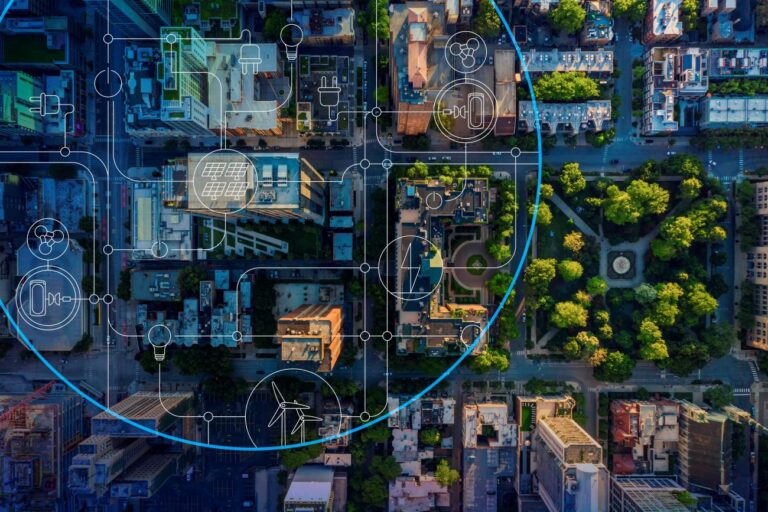
As industries look for new ways to reduce environmental impact while continuing to innovate, sustainability is becoming a driver of long-term business value. Companies are expected to decarbonize, use resources more responsibly and build more resilient operations while continuing to deliver quality products faster. This is why sustainable innovation matters: it helps organizations create better products, processes and experiences while contributing to a healthier future for people and the planet.
What sustainability challenges do companies face today?
Companies must rethink how they design, produce, distribute and manage products throughout their entire lifecycle. From raw materials and energy use to waste, emissions and end-of-life, every decision can impact the environment. The challenge is that many of these impacts are shaped early, especially during design, yet companies often discover trade-offs too late. To make real progress toward sustainability goals, organizations need a science-based approach to test choices and understand impacts before acting in the physical world.
How can virtual twins address sustainability challenges?
This is where virtual twins come in. By creating a scientifically accurate virtual representation of a product, process, space or system, companies can now design, test and model more sustainable products and processes before bringing them into the real world.
Here are eight customer stories that show how virtual twins are helping companies make sustainability more practical and actionable.
Virtual twins for sustainable innovation in infrastructure & cities
Ville de Meudon
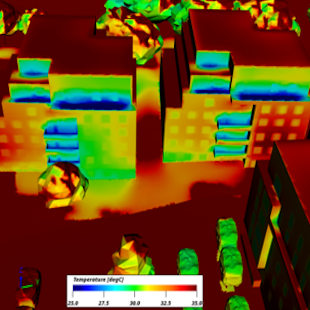
With heat waves and heavy rainfall becoming more frequent, the city of Meudon partnered with Dassault Systèmes to use advanced virtual twin technology to create sustainable green spaces that are more resilient to climate change. By simulating heat, airflow, vegetation and surface materials, the city tested redevelopment scenarios before making physical changes to public spaces. This data-driven approach helped guide the removal of 870 m2 of impermeable surfaces, the greening of 450 m2 of joints and surface temperature reductions of up to 40 °C.
NAAREA
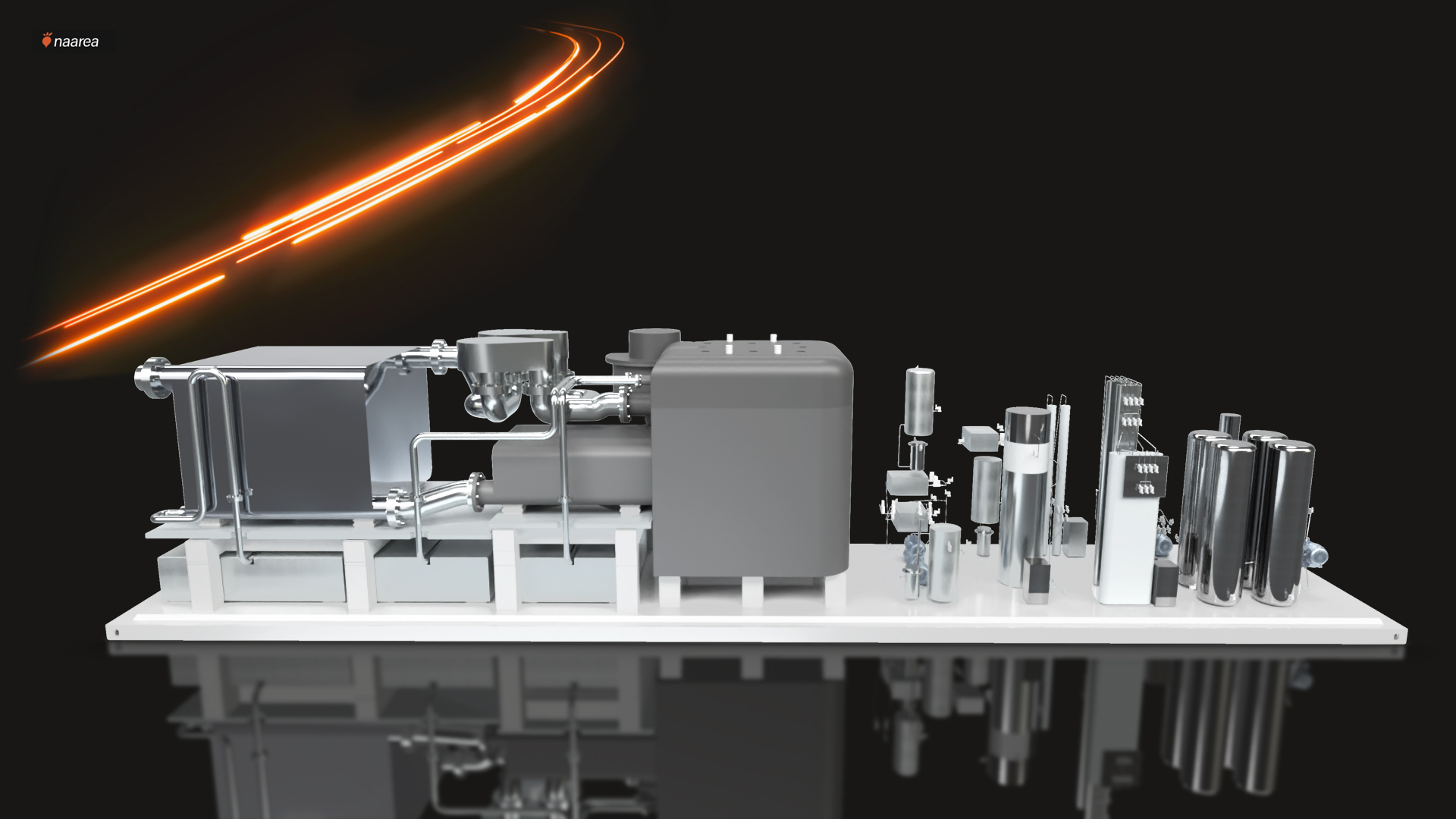
NAAREA is developing XAMR, an extra-small advanced modular reactor designed to produce carbon-free, decentralized energy using long-life nuclear waste as fuel. Dassault Systèmes’ virtual twin technology supports this sustainable energy innovation by helping NAAREA design, simulate and validate the reactor. NAAREA successfully built the first version of the XAMR virtual twin on the 3DEXPERIENCE platform in just 18 months, creating a digital foundation to advance a safe, circular and decarbonized energy solution.
L’OCCITANE
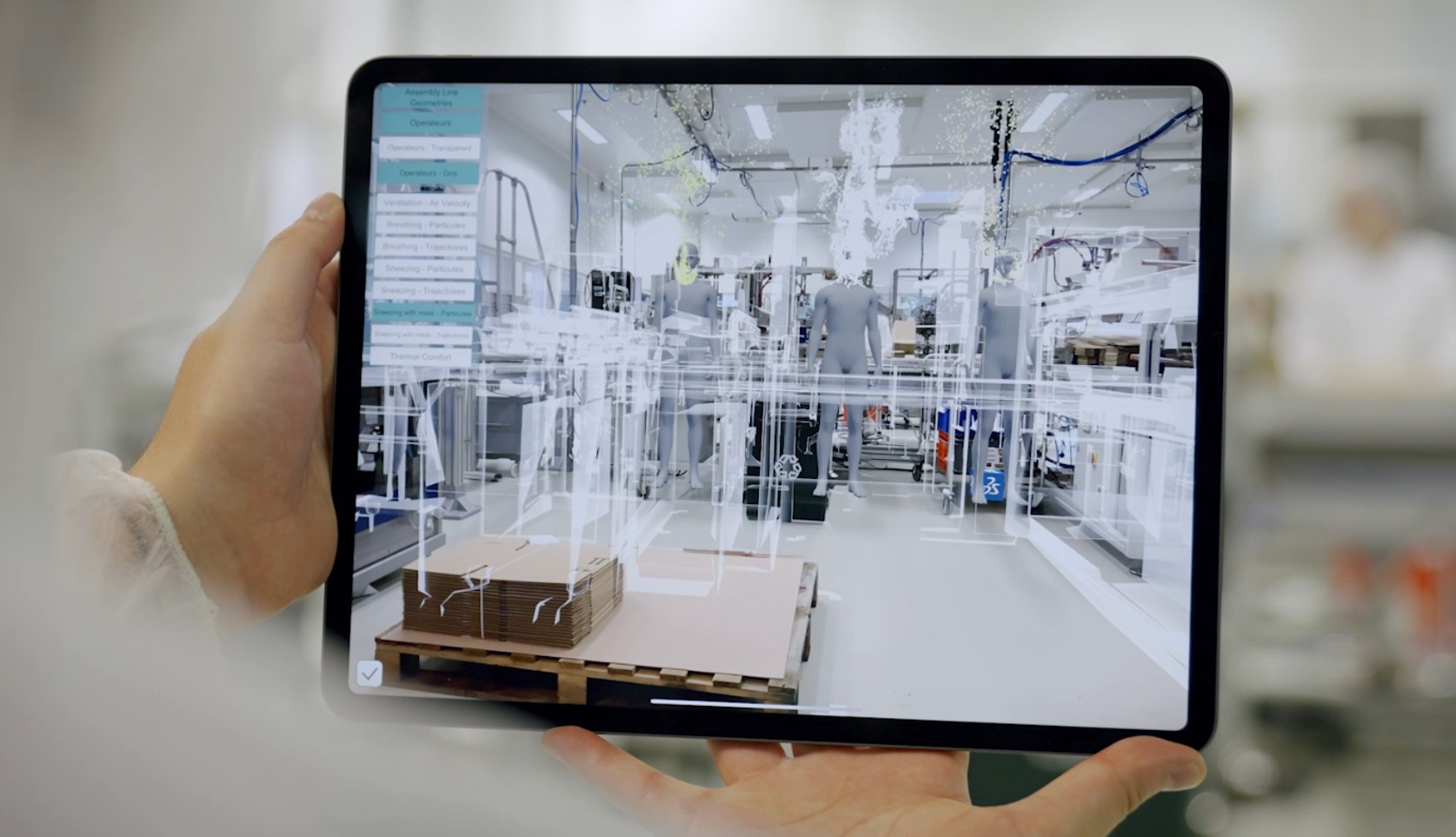
At its Lagorce facility in France, Laboratoires M&L, part of L’OCCITANE Group, is using Dassault Systèmes’ 3DEXPERIENCE platform on the cloud to create a virtual twin of its factory and production lines to support worker safety and operational efficiency. Through the MyHealth@Work initiative, the company uses our DELMIA and SIMULIA brand solutions to simulate workstation ergonomics, airflow, pathogen propagation and thermal conditions that are difficult to observe in everyday operations. These virtual twin experiences help Laboratoires M&L improve comfort and safety for more than 200 employees while supporting its broader goal of building a cleaner, greener and more efficient factory.
Envision Energy
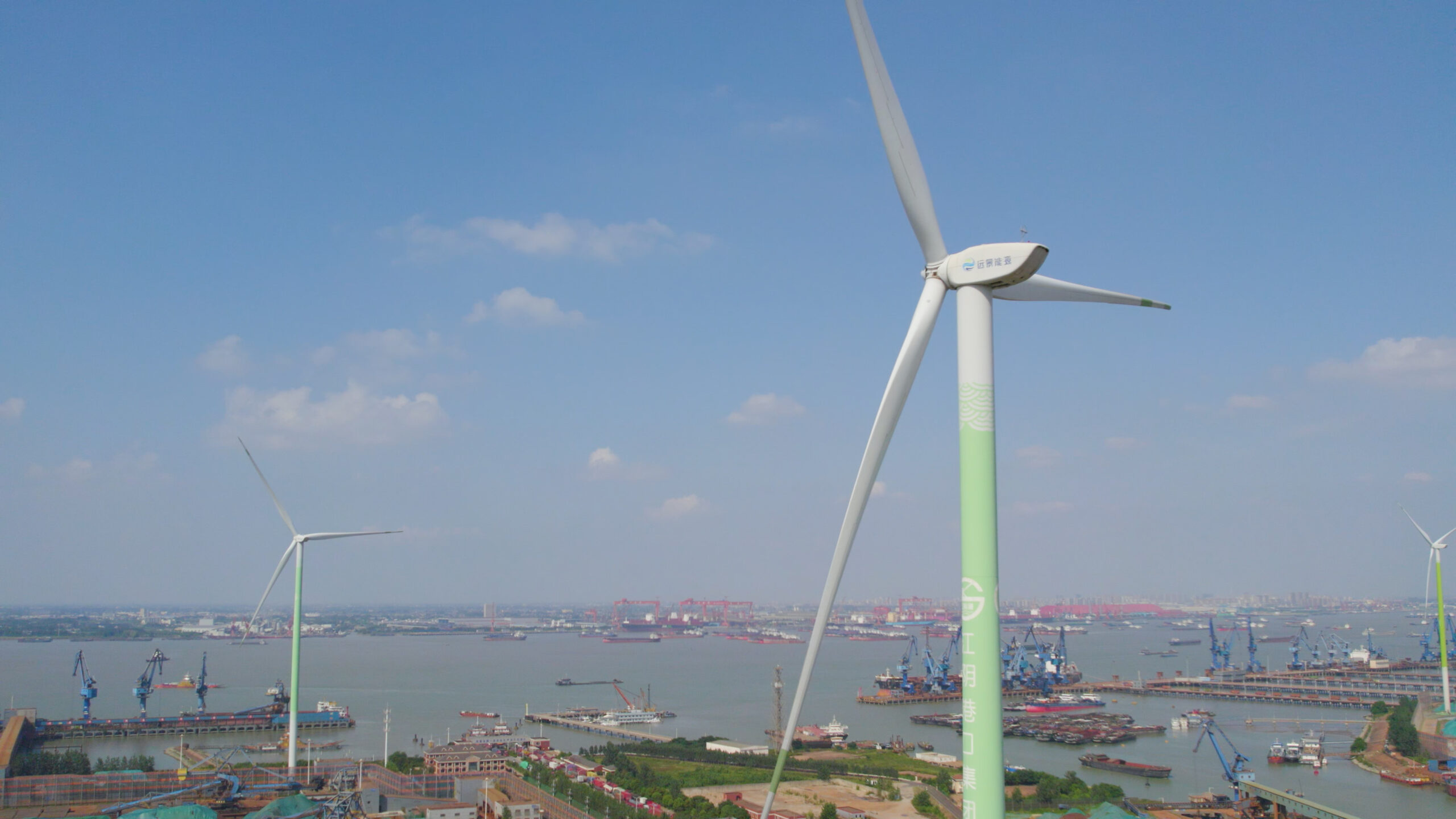
Envision Energy has moved its global wind turbine engineering processes to Dassault Systèmes’ 3DEXPERIENCE platform to support its mission of creating low-carbon energy. With SIMULIA Abaqus, Envision can optimize key turbine components, including reducing the weight of a wind turbine spindle by 10% while maintaining strength requirements. This directly supports more sustainable wind turbine development by reducing material use in a critical component and advancing Envision’s mission to create a world of low-carbon energy.
Virtual twins for sustainable innovation in manufacturing
Jamco
Jamco is using Dassault Systèmes’ Virtual Twin as a Service to bring aircraft interior reviews into its Virtual Innovation Studio in Japan. Instead of relying on costly physical mockups, customers can explore full-scale virtual cabins, review finishes, test layouts and approve designs before anything is built. As Jamco expands virtual twin adoption, it expects to reduce reliance on physical mockups, conserve materials, reduce waste and lower emissions linked to building and shipping multiple prototypes.
Rolf Benz
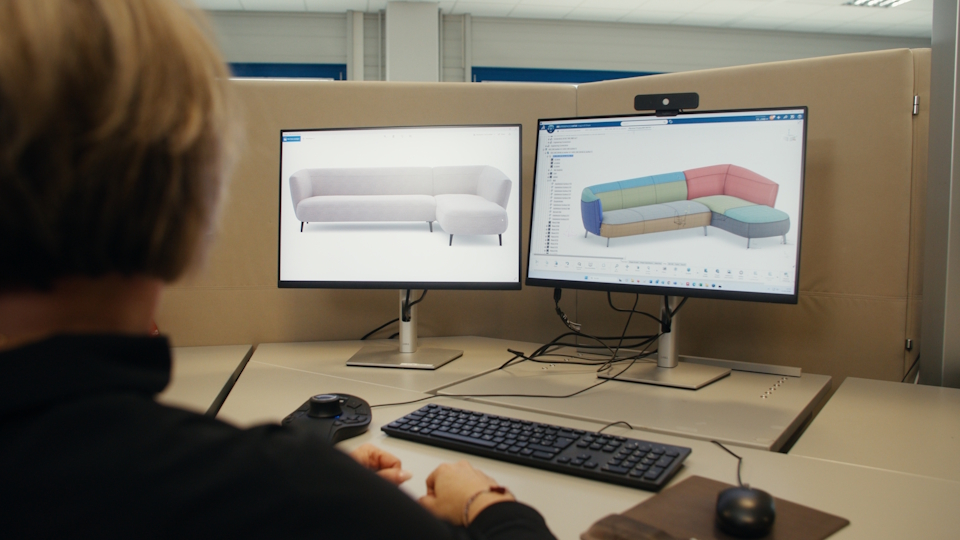
By adopting Dassault Systèmes’ 3DEXPERIENCE platform on the cloud, CATIA, SIMULIA and 3DEXCITE, Rolf Benz can now design, simulate and visualize highly customizable furniture before materials are cut. This partnership enables the company to reduce physical prototypes, lower testing and inspection work and conserve materials while maintaining its standards. Integrating simulation early helps move some components into production one to two months earlier and manage complex customization across more than 100 leathers and 200 fabrics.
csi entwicklungstechnik
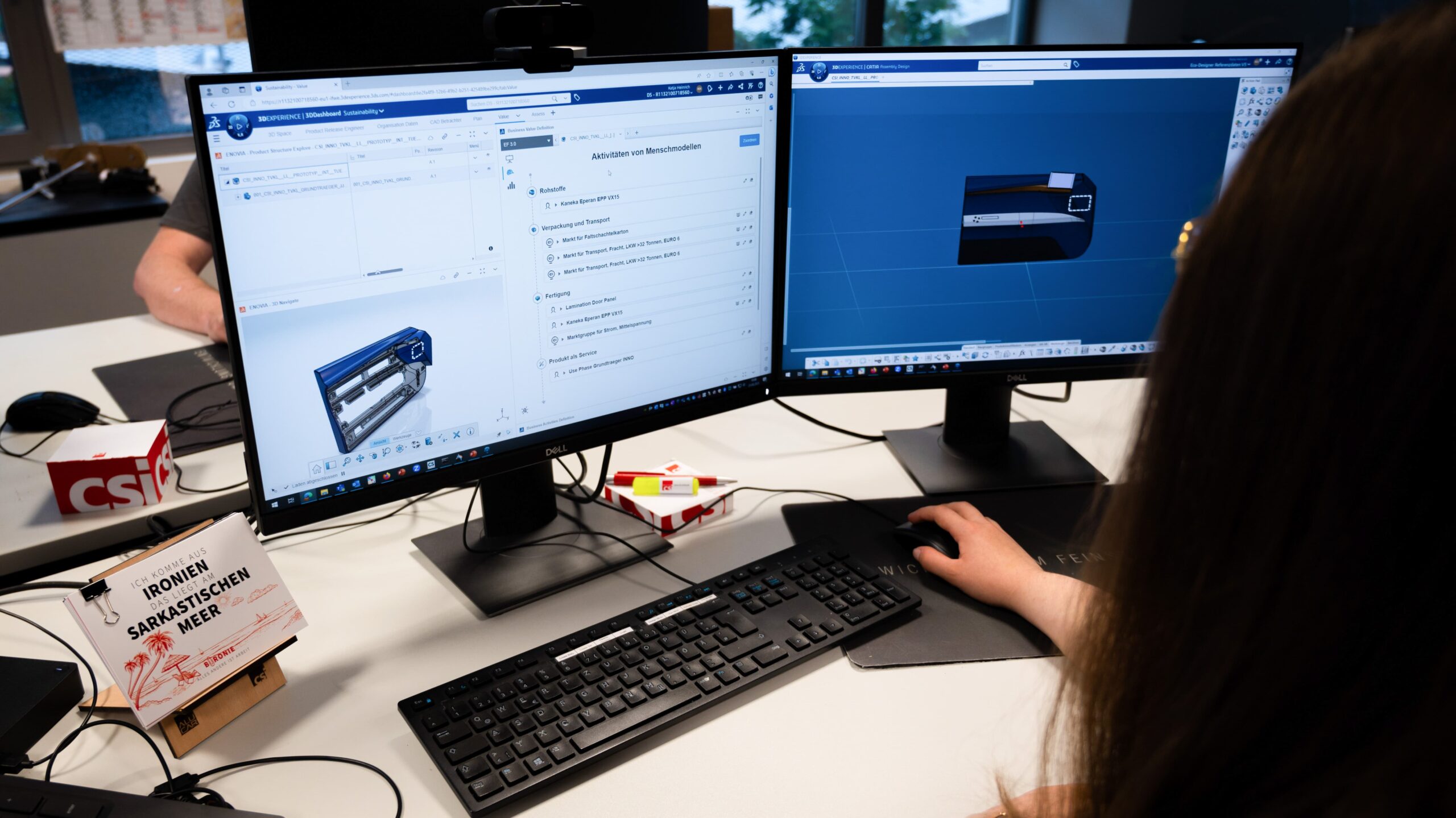
csi entwicklungstechnik relies on Dassault Systèmes’ 3DEXPERIENCE platform to embed Life Cycle Assessment into the virtual twin from the earliest stages of automotive development. This allows teams to evaluate environmental impact before a product is manufactured, instead of treating sustainability as a late-stage assessment. With LCA available in the virtual twin, csi can help automotive customers compare design scenarios faster, reduce the need for expensive prototypes and make more sustainable product decisions from the start.
Metsä Board
Metsä Board was recognized as a sustainability leader after reducing greenhouse gas emissions by more than 40% between 2014 and 2019. In partnership with Dassault Systèmes, Metsä Board is now expanding its sustainability goal by creating Metsä Board 360 Services where they can create virtual twins of customers’ packaging solutions and test how they perform under real-world conditions. With advanced simulation, the company can recommend lighter paperboard grades that perform equally well while reducing material use, carbon footprint and cost. Compared with physical prototyping, Metsä Board can deliver data-based recommendations 85% faster and simulate some use cases in as little as one day instead of weeks.
By adopting virtual twin technology, companies can move sustainability from ambition to action. Across these customer stories, Dassault Systèmes customers are achieving real-world results.
Want to explore more about how virtual twins are shaping more sustainable futures?
Visit the Dassault Systèmes website to discover more customer stories and see how companies are turning virtual insights into real-world impact.
READ MORE

Ha Nguyen is a Corporate Communications intern at Dassault Systèmes and a Communication student. She is passionate about storytelling, digital media and corporate communications.