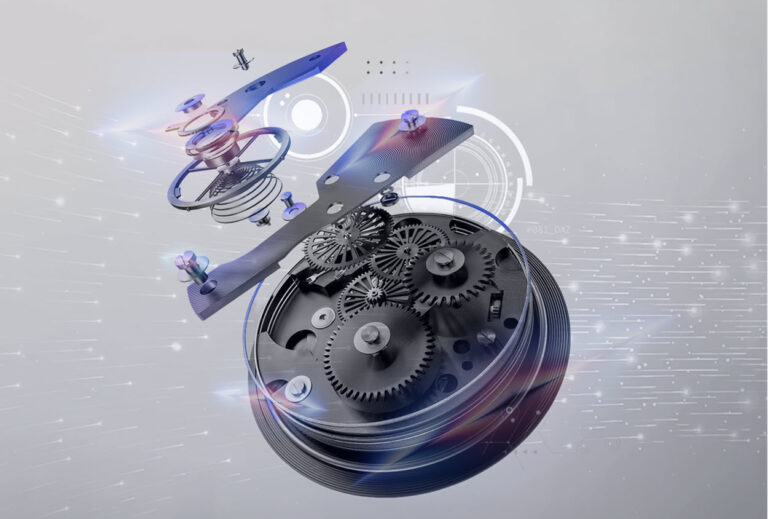
Consumer goods manufacturers have reached a turning point. Makers of discrete goods, from footwear and sporting goods to luxury watches, can use platform-based digital continuity to improve product development and manufacturing today while building the foundation to leverage the value of AI.
For engineering and manufacturing leaders, the next competitive advantage will not come from more point solutions. Instead, manufacturers gain an edge by connecting the full product lifecycle — from early design through simulation, validation, and manufacturing alignment.
A neutral signal from the broader manufacturing market supports that shift. Focused on research that accelerates innovation by developers and inventors, the National Institute of Standards and Technology (NIST) published research such as Digital Thread for Smart Manufacturing. The agency focuses on helping manufacturers to implement a complete digital thread for information that runs through design, manufacturing and product support processes. Plus, Deloitte’s 2026 Consumer Products Industry Global Outlook points to a more complex consumer products market shaped by technology, trade shifts, rising costs, supply chain disruption and changing consumer expectations.
Together, these trends reinforce one conclusion: product development can no longer operate as a disconnected front-end process. Engineering and manufacturing teams need shared data, shared context and shared decision-making from the start.
Why AI-Ready Product Development Requires Better Data First
Many consumer product manufacturers want AI to help improve speed, quality and decision-making. Yet AI cannot create much value from disconnected CAD files, manual spreadsheets, unstructured requirements or late-stage manufacturing feedback.
AI-ready product development starts with clean data. Engineering teams need a single 3D product model and related artifacts. A single source of truth offers true digital continuity across product requirements, design changes, simulation results and manufacturing constraints. Manufacturing teams benefit from visibility before handoff to minimize issues on the plant floor.
The biggest product decisions happen early. A platform-based digital thread allows early collaboration and better decisions to avoid rework and launch delays.
From Fragmented Workflows to Concurrent Engineering
With the Dassault Systèmes digital product development approach, companies can address a growing reality: innovation depends on more than moving faster — it depends on connecting people, data and decisions across the lifecycle. For consumer goods manufacturers, the 3DEXPERIENCE platform® helps break down silos by creating a collaborative environment where engineering, simulation, manufacturing and business teams work from a shared information base. This connected approach supports three core priorities increasingly shaping digital transformation: improving collaboration across disciplines, enabling virtual experiences through virtual twins to evaluate products earlier, and creating a unified digital foundation that helps organizations adapt faster to changing customer and market demands.
Concurrent engineering helps product teams work in parallel rather than waiting for sequential handoffs. Mechanical design, simulation, electrical systems, sourcing, manufacturing engineering and sustainability teams can evaluate decisions together. That shift helps companies move from “design, then validate, then fix” to “design, validate and improve continuously.”
For complex consumer products, that approach supports practical business needs. Sporting goods companies can test comfort, durability and performance earlier. Furniture manufacturers can evaluate materials, assembly and packaging trade-offs sooner. Luxury watch teams can manage precision, variants and supplier requirements with more control. Bathroom fixture manufacturers can connect design choices to manufacturability, compliance and lifecycle impact.
Virtual Twins Help Teams Make Better Decisions Earlier
Virtual twins give engineering and manufacturing teams a shared way to test, refine and validate ideas before committing to physical builds. Instead of relying on static 3D models, teams can use living digital models that connect requirements, behavior, constraints and manufacturing context.
Arena offers a strong consumer products example. Dassault Systèmes announced that Arena used 3DEXPERIENCE Works to improve collaboration, productivity and quality. Cloud-based design and simulation capabilities helped Arena cut the prototyping cycle for swimming goggles by 70% while lowering emissions. For a product category where performance, fit, comfort and style all matter, virtual testing gave teams a faster path to better decisions.
ASICS shows another dimension of digital product development: personalized products and new manufacturing models. Kenichi Harano, Executive Officer and Senior General Manager at ASICS Institute of Sport Science, described how Virtual Twin as a Service helped the company design its personalization studio. His point cuts directly to the value for engineering leaders: “Designing before physical construction can reduce overall cost.” That insight matters because it shows how ASICS engineers connect digital product development to measurable business impact through lower costs and better planning before construction began. Virtual twins do not simply help teams visualize a concept. They help teams evaluate scenarios, reduce risk and prepare physical operations with greater confidence.
The Benefits of AI-enabled Product Development
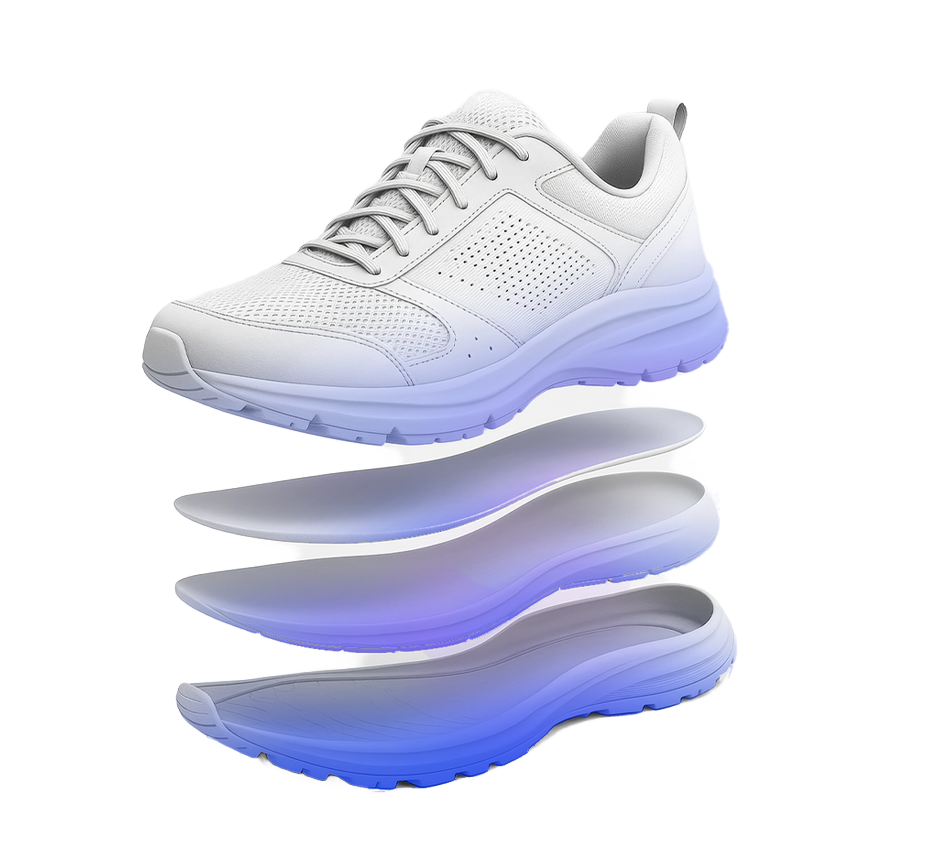
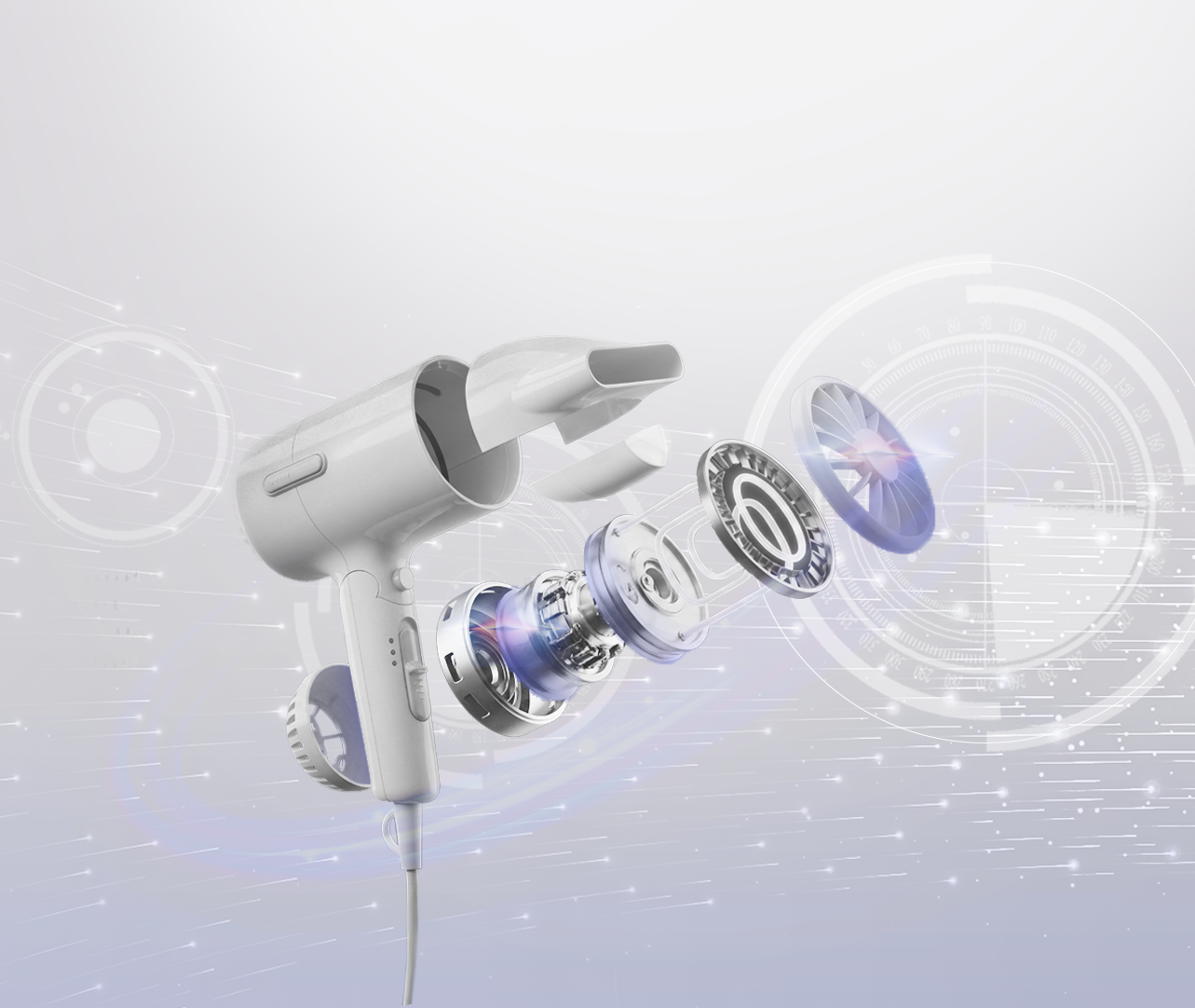
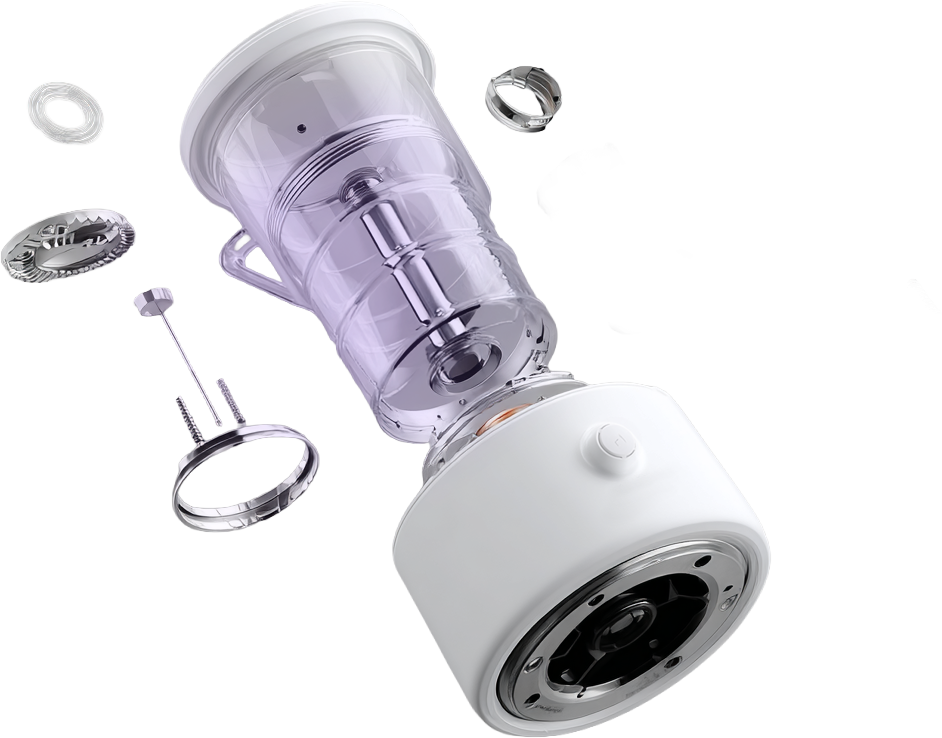
With digital product development on the 3DEXPERIENCE platform, digital continuity replaces fragmented data with shared intelligence. Virtual twins add the power of science-based simulation and prediction to model real-world behavior. Finally, AI capabilities, advanced computational logic and automated traceability ensure consumer products meet global safety standards and performance requirements.
Digital Product Development Aligns Engineering With Manufacturing
Product complexity now spans more than product features. Manufacturers also manage sustainability targets, shorter development cycles, regional market requirements, personalization, sourcing volatility and margin pressure.
A digital product lifecycle for consumer products helps teams align product intent with manufacturing reality. Design data connects to simulation data. Simulation insights connect to manufacturing planning. Manufacturing feedback informs engineering decisions earlier. Teams gain a consistent view of requirements, design maturity, risks and trade-offs.
For manufacturing leaders, that alignment helps reduce late-stage disruptions. For engineering leaders, it gives teams more confidence that product decisions can survive real-world production constraints.
The Value of the 3DEXPERIENCE Platform for Consumer Products Manufacturers
Consumer goods manufacturers can connect people, information and workflows across the product lifecycle with the 3DEXPERIENCE platform. Key benefits for engineering and manufacturing teams include:
- Unified visibility across design, simulation and manufacturing planning
- Virtual twins that help teams test performance and manufacturability earlier
- Concurrent engineering workflows that reduce sequential handoffs
- Connected lifecycle information that can better support future AI initiatives
- Cloud collaboration that helps teams and partners work from shared context
The Time to Prepare for AI Has Arrived
For consumer goods manufacturers exploring AI, preparation starts with improving visibility across product development and manufacturing processes.
So, should engineering and manufacturing leaders treat AI-ready product development as a near-term priority?
Many are beginning to evaluate it more closely. As the Arena and ASICS examples suggest, companies are looking for ways to improve collaboration, reduce delays and make better decisions earlier in development. AI may eventually help accelerate those efforts, but it depends on accessible, structured lifecycle information and fewer disconnects between engineering and manufacturing. Organizations that improve coordination, visibility and workflow efficiency today will be better positioned to take advantage of AI capabilities as they mature.
Manufacturers that move first will not simply layer AI onto disconnected processes. They will build a traceable, platform-based digital thread that connects development, manufacturing alignment and product innovation. That connected foundation gives AI-ready product development the structure required to deliver meaningful long-term value.
Additional links and Frequently Asked Questions
Faster Consumer Product Innovation with Unified Engineering
The Importance of Virtual Twins in Manufacturing Operations
Frequently Asked Questions
Digital transformation for product development means replacing disconnected tools, manual handoffs and siloed data with connected digital workflows across the product lifecycle. For consumer goods manufacturers, this helps engineering, design, simulation and manufacturing teams because they work from shared information much earlier in development.
AI-ready product development matters because AI needs clean, structured and connected lifecycle data to deliver useful insights. When product data stays trapped in spreadsheets, files or disconnected systems, teams have less visibility into risks, changes and manufacturing constraints.
Virtual twins help teams test and refine products digitally before committing to physical prototypes or production decisions. For products such as consumer power tools, electric bicycles and baby gear, virtual twins can help teams evaluate performance, manufacturability, materials and design trade-offs earlier.
Digital continuity connects requirements, design data, simulation results, materials, sourcing inputs and manufacturing planning in one shared flow of information. For consumer goods manufacturers, this helps engineering, design, simulation and manufacturing teams work from shared information much earlier in development.
Preparation should start now to eliminate the delays and risks caused by incomplete or siloed data. By implementing digital continuity today, manufacturers can simplify workflows, improve visibility and give teams better information to make decisions before issues occur.

I’m skilled in using storytelling to create content that informs and reveals the value that our solutions offer companies in solving complex challenges across the product lifecycle. I enjoy developing strategies around go-to-market, digital marketing, awareness, and SEO. Linkedin.com/in/emondro