
Sustainable packaging isn’t a token gesture or a quick win for branding—it’s a defining factor in cost control, regulatory compliance, supply chain efficiency and retail relationships. For consumer packaged goods companies, ignoring the realities of material selection, logistics and compliance translates to direct financial loss.
There’s real pressure to cut plastics, lower weights and use more recycled content. But redesigning packages without rigorous analysis risks damaging products, upsetting partners and incurring unnecessary costs. Here’s where technology like Dassault Systèmes ‘Perfect Package’ reshapes the landscape for CPG brands.
Instead of running endless physical tests, you can now digitally design, model and optimize every packaging decision before a single prototype hits the line. This scientific, data-driven approach secures strategic value for growth-focused companies.
The Expensive Trap of Physical Prototypes
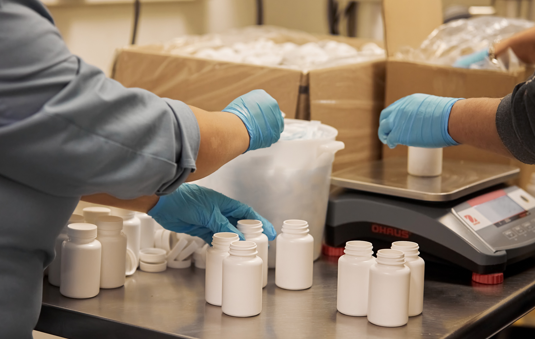
Traditional packaging development relies on a cycle of sketches, physical prototypes, trial production and real-world shipment. If a design fails, teams go back to square one—add material, try again and absorb mounting costs. This method is slow, inefficient and leads to expensive overengineering, especially when companies rush sustainable materials through the process.
When the goal is sustainability, these legacy steps can backfire—companies add unnecessary bulk to protect products or account for unknown variables, raising expenses and undermining their own environmental targets.
Digital Modeling Puts Science at the Center
With advanced simulation platforms, CPG teams can create digital twins of proposed packages and run them through hundreds of virtual tests—heat, stacking, transit and rough handling. This allows for practical, data-backed evaluations of lighter plastics or new biodegradable materials. In just days, teams can pressure-test a dozen options and pick the best, all before manufacturing even starts.
By the time you build a real prototype, you already know it works. This grounded, science-based workflow limits wasted time, materials and money—and protects your reputation by ensuring each new package performs as it should.
The Strategic Business Case for Virtual Packaging Design
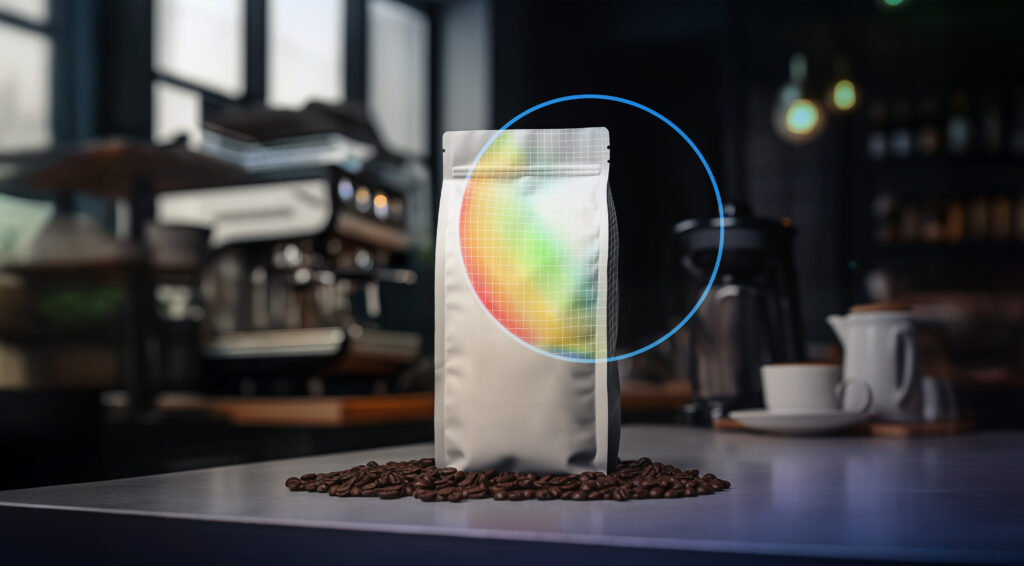
Companies that use digital solutions gain clear commercial advantages. Here’s how:
Cut Costs Across Production and Logistics
It’s easy to assume sustainable materials are always more expensive, but smart design can dramatically trim the overall volume and weight needed. Digital modeling pinpoints where to reduce thickness or size without endangering product integrity. A single gram less plastic, scaled across millions of units, means real savings on both materials and shipping.
Smaller, efficient packaging maximizes shipping density. This means more products per pallet, lower freight costs and fewer trucks needed, which cuts both expenses and emissions.
Innovate Faster to Meet Market Demands
Market trends shift quickly and retailers demand new formats or greener options regularly. Legacy prototyping slows you down, leaving gaps competitors can exploit. Virtual testing lets you explore and validate sustainable alternatives fast—helping you push products to market on schedule and secure shelf presence.
With digital workflows, product launches don’t get stuck waiting for costly molds or slow trial runs. Speed to market becomes a consistent competitive advantage.
Stay Ahead on Regulatory Compliance
Packaging laws tighten each year—plastic taxes, mandatory recycling and new sustainability reporting are now global realities. CPG brands must understand exactly what materials they’re using at all times. Digital platforms provide precise tracking of virgin, recycled and compostable content across your portfolio, making compliance reporting direct and actionable.
Not only can you demonstrate responsibility to regulators, but you can also proactively model how upcoming regulations might affect costs and production—staving off last-minute surprises.

Smarter Tradeoffs, No Compromises
Every packaging decision today involves balancing multiple objectives: cost, protection, visual appeal, manufacturability and sustainability. Cut the package too much and you risk leaks or damaged product; add too much and your expenses soar.
With advanced digital modeling, leaders get the clarity to make informed, data-driven decisions. You know the exact tipping point where material reduction compromises structural strength, allowing you to defend cost and performance targets with evidence.
Connect Teams to One Source of Truth
Effective packaging innovation demands coordination across R&D, operations, marketing and legal. Traditional silos breed errors, delays and costly last-minute changes. Modern digital platforms break down these barriers, letting every stakeholder work from the same three-dimensional models, material specs and test results.
Forecasts become more accurate, marketing can create consumer-facing visuals before the package exists and operations can validate that new designs work with existing equipment—preventing avoidable headaches and keeping projects on course.

Leading the Future of CPG Packaging
Sustainability is no longer optional. Treat it as a simple material switch and you’ll encounter escalating costs, compliance risks and higher product loss. Commit to science-backed, digitally modeled packaging and you move sustainability from a burdensome requirement to a central driver of margin, efficiency, speed and growth.
CPG brands that optimize packaging design will define the next era of consumer goods—delivering better products, stronger financials and measurable results for both business and the planet.
Just for Fun: Some Interesting Recent Statistics on Sustainable Packaging
- 54% of consumers reported consciously purchasing products with sustainable packaging in the last six months
Shorr Packaging 2025 Report - Seven US states have enacted extended producer responsibility (EPR) laws for packaging, with full compliance and reporting cycles starting in 2025 and 2026
EY, Extended Producer Responsibility and Packaging Strategy, 2026 - California aims for 100% of single-use packaging and food service ware to be recyclable or compostable by 2032, with a mandated 25% reduction in overall use
EY, Extended Producer Responsibility and Packaging Strategy, 2026 - The top sustainable consumer behaviors in 2024 include recycling household waste (73%) and actively limiting single-use plastics (61%)
Deloitte UK, The Sustainable Consumer 2024 - For consumers, producing sustainable packaging is the most valued ethical practice by brands, outranking other factors like waste reduction and carbon footprint
Deloitte UK, The Sustainable Consumer 2024
Learn more here

Brian Carboni is the Global Marketing Director for the CPG-Retail Industry at Dassault Systèmes.