
Cars haven’t been around for all that long, and yet they’ve changed immensely since the first one rolled onto the scene in 1885, courtesy of BMW. We’ve seen major shifts in the automotive experience, from the implementation of seatbelts and crucial safety features to the addition of radios, CD players and now, touchscreen infotainment screens. Those innovations are far from over.
Depending on where you live, the future of driving could look incredibly different. Let’s take a look at what might be in store.
China: Luxurious tech for livable cars
China has been in the EV news frequently this year, thanks to lower prices compared to international competitors and a growing market of interested consumers. But the country’s car manufacturers aren’t only looking to make their vehicles greener. They’re aiming to make them more livable.
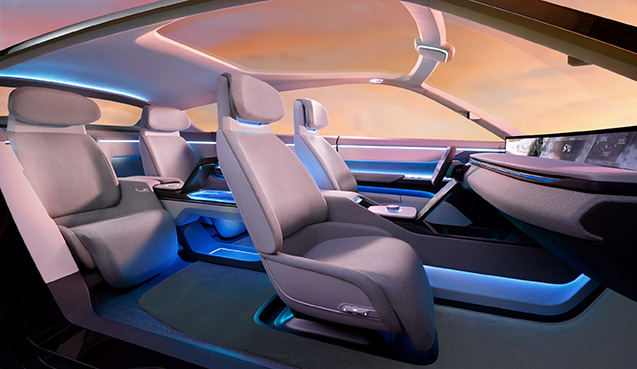
At Dassault Systèmes recent Science Week event in Boston, Yanfeng CTO Patrick Nebout presented his company’s vision for the ultimate automotive experience. Yanfeng, which uses CATIA to design, model and simulate car interiors from steering wheels to seating, is angling toward a future where drivers don’t just see cars as mobility options, but as extensions of their living environment. In China, this mindset is already prevalent; Nebout is confident that the same sort of thinking will catch on in the West as well. The company, which supplies interiors to some of the world’s foremost car manufacturers, is ahead of the curve in the way it’s innovating the transportation experience. They’ve designed lay-flat seats which can rotate, swivel and slide to a passenger’s content, screens designed for movie watching and gaming, silky interiors for maximum comfort and even air vents that simulate natural wind patterns.
Yanfeng’s goal is to make the driving experience one that’s less focused on the journey between points A and B and more one that’s honed in on the most optimal, personalized user experience.
“Recent research shows GenAI being applied to the in-vehicle experience more generally, with personalized voice assistants, adaptive user interfaces and more natural, context-aware interactions,” explained Transportation & Mobility Industry Marketing Lead Prodatta Sengupta. Layering in technology to make cars both safer and more fun to be in is a trend she’s noticing across the industry already.
United States: Autonomous vehicles roam the roads
In the US, drivers aren’t necessarily longing for more tech in their cars – in fact, attitudes suggest Americans really don’t share Chinese interests on the subject – but there’s a different kind of software that’s powering transportation in the country.
Driverless cars, which have been on (some) roads in the US since 2017, are slowly gaining popularity. Depending on where you live or travel, you may have already seen these cars out on the streets. In San Francisco, Waymo taxis zoom up and down the city’s hills; in the Phoenix metro area, they can transport riders around a 315-square-mile stretch. In August, the company announced its expansion to even more cities, with operations picking up in Dallas, Miami and Washington, DC.
The autonomous vehicle market in the US today isn’t just shaped by the growing number of companies developing driverless cars – Waymo’s competitors include Tesla and Zoox – but by the technology companies developing software for those cars. Applied Intuition, Open Motors, Zibros: the software scene is exploding with solutions for ensuring the safety and connectedness of driverless cars. For innovation enthusiasts, there’s never been a more exciting time for imagining the future of transportation.
Africa: Low-tech solutions for high-impact mobility
Across the African continent, a new mobility trend has taken hold: battery swapping. It’s a novel solution to a problem that plagues EV drivers around the world: reducing the downtime that’s been historically unavoidable while charging a car’s battery. At “swap stops,” drivers can easily and quickly remove and replace their vehicle’s battery. EV battery charging can take anywhere from 30 minutes to several hours, so the swapping scheme cuts the downtime markedly.
In 2024, Ethiopia became the first country in the world to ban the import of gas and diesel vehicles, setting the East African nation up to become a haven for EVs. Rwanda and Kenya have implemented similar laws, adding costly levies on gas-powered cars. These efforts set up the countries for providing the ideal ecosystem for EV adoption. By providing a solution that reduces friction, they’re also contributing to responsible and feasible ownership. Since battery maintenance is centrally controlled in a swapping scheme, companies – not individuals – are responsible for distributing functional components.
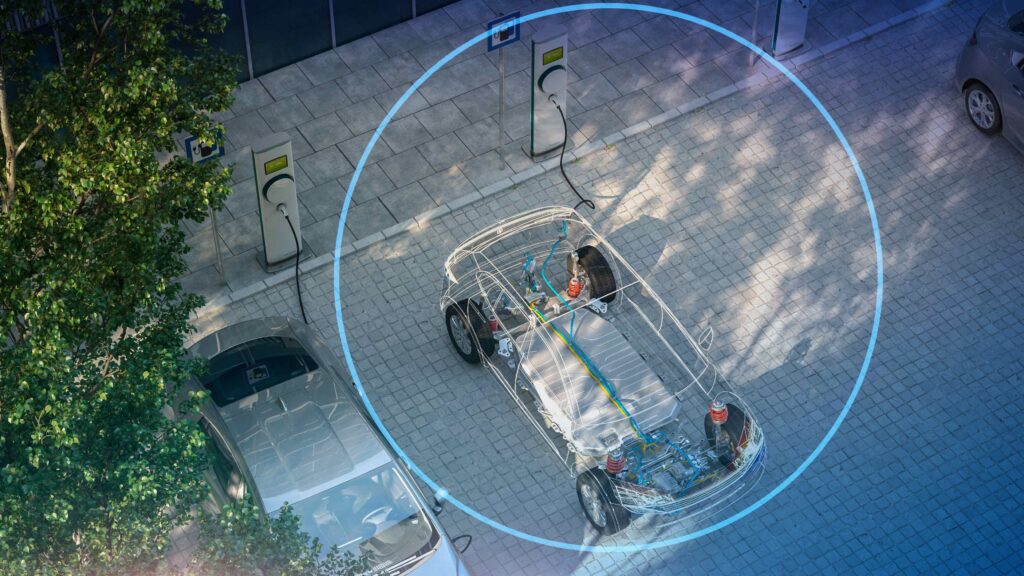
The element of sustainability can’t be ignored, either. On the one hand, policies that limit gas vehicle usage are supported by innovative business solutions that enable easier EV adoption. On the other, choices made by global automotive manufacturers reflect growing consumer demands for cleaner cars.
“Automakers are adopting recycled, eco-friendly and circular-economy materials for interiors, like vegan leather and recycled plastics,” Sengupta explained. From a car’s powerful parts to its interior trims, there’s a definitive trend to an environmentally-conscious future of mobility.
Whether it’s battery-swapping in East Africa to upcycled materials in the design and manufacturing process, sustainable transportation choices are becoming more and more common.
Europe: Leading the way to alternative mobility
While Europe has long been a hub for automotive innovation, the continent’s public, particularly youths, are becoming more and more interested in a car-free future. That leaves car companies across Europe with a challenge: what kind of progress is possible when consumers are less interested in buying cars?
It’s a question that’s increasingly being answered not by automotive manufacturers, but by innovative micro- and alternative mobility companies.
Midipile, a French start-up and current member of the 3DEXPERIENCE Lab accelerator program, is taking advantage of this trend. They’re using the 3DEXPERIENCE platform to reshape mobility by manufacturing lightweight electric alternative vehicles that are available via a subscription service. Their electric bike-car combo has a relatively short driving range and top speed, a nod to the company’s commitment to providing a solution tailored for urban dwellers. Midipile recognized the declining attitudes toward car ownership in Europe and increased demands for small, sustainable mobility options and provided an ideal solution.
In nearby Italy, NExT is also looking at how to provide an optimized public transportation alternative by deploying modular electric vehicles that can be adapted for ridership needs. NExT vehicles, designed in part using CATIA and SOLIDWORKS, can be joined and disconnected as necessary to ensure maximum efficiency for passenger travel, taking riders exactly where they need to go and reducing the prevalence of near-empty buses on roads. This approach offers a solution to public transportation resource allocation while also providing an innovative approach to the passenger experience.
The road to transportation innovation
No matter what you drive – or don’t drive – your transportation experiences are likely to shift in the coming years.
The trends around the world suggest different paths are being taken, but as they converge, it becomes clear that the very concept of mobility is evolving to meet global consumer preferences. The horizon promises vast solutions that answer the needs of drivers and passengers everywhere, with growing offerings for a more connected, personalized and efficient transportation landscape.
The future of sustainable transportation involves the widespread adoption of electric vehicles (EVs), renewable energy integration, and innovations in public transit systems. With advancements in EV technology, AI-powered route optimization, and micromobility solutions like e-bikes and scooters, sustainability is at the forefront of modern mobility trends.
Autonomous driving relies on a combination of sensors, cameras, and AI-powered software to interpret the surrounding environment and make driving decisions. These systems enable vehicles to detect obstacles, follow road rules, and adapt to traffic conditions, paving the way for safer and more efficient journeys.
AI plays a critical role in transportation by powering advanced features like real-time navigation, predictive maintenance, and traffic flow management. These applications improve efficiency, reduce operational costs, and enhance the overall travel experience for passengers and drivers alike.
 Shoshana Kranish
Shoshana is a Senior Communications Manager on the Corporate Publishing team here at Dassault Systèmes. With experience in journalism, marketing, and PR, her work has been published around the world and across the internet.