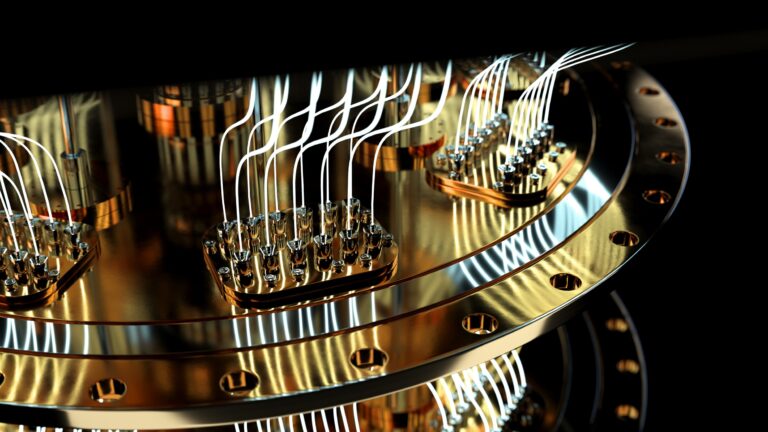
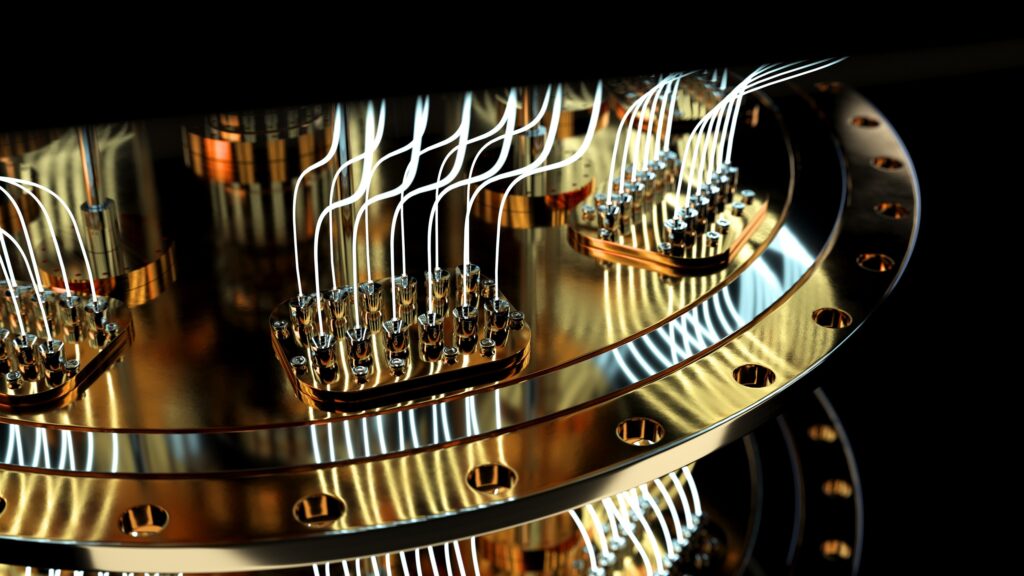
Quantum computing is often described as a race for better qubits, but as the industry begins to scale beyond laboratory prototypes, different constraints are becoming clear. The real challenge is not just quantum physics, it is engineering at the limits of physics.
Modern quantum systems operate under extreme conditions. Data rates are in the gigabit range, materials behave in superconducting regimes, and everything must function reliably at cryogenic temperatures approaching absolute zero. At this level, even seemingly simple components such as interconnects, cables, or printed circuit boards become highly complex, tightly coupled multiphysics problems.
This creates a fundamental bottleneck. Physical experimentation alone is no longer sufficient. Iterating hardware in a cryogenic environment is slow, expensive and often impractical. As a result, the industry is beginning to undergo a familiar transition, one already seen in aerospace, automotive, and semiconductor design, toward simulation-led engineering.
This is where MODSIM, as delivered by Dassault Systèmes, becomes critical.
Rather than treating simulation as a downstream validation step, MODSIM integrates modelling and simulation into the design process from the outset. Engineers can explore design options, understand coupled physical effects, and validate performance virtually—long before hardware is built. In domains where physical testing is inherently constrained, this shift is not just beneficial; it is necessary.
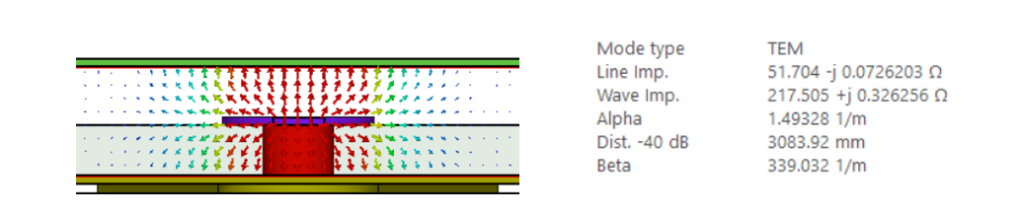
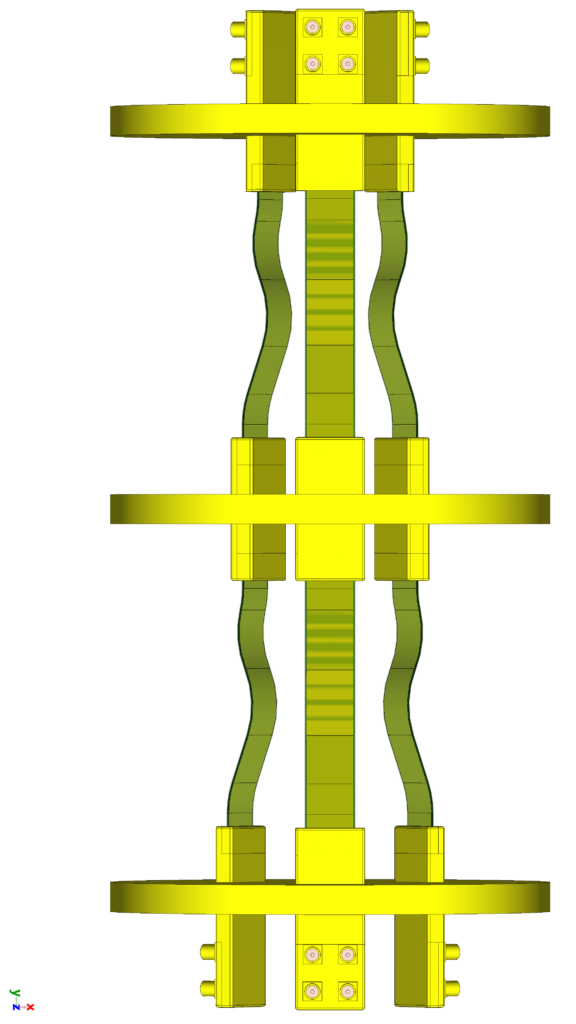
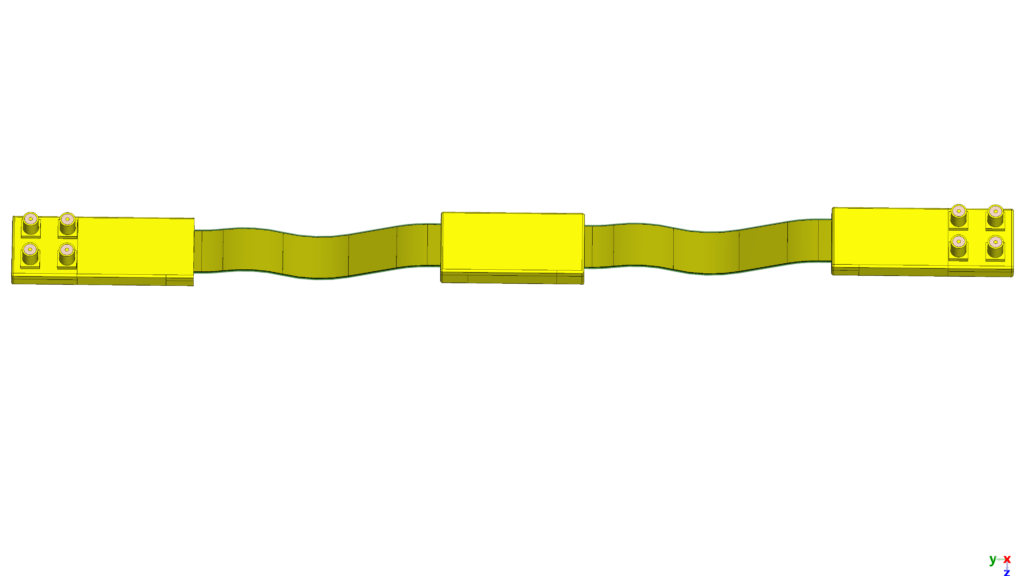
A clear example of this transition can be seen in recent work with a company developing high-performance interconnect solutions for quantum computers. Their challenge was to predict the behavior of superconducting transmission structures operating at high frequency under cryogenic conditions. This required accurate modelling of inductance, loss mechanisms, electromagnetic coupling, and shielding, phenomena that are difficult to isolate experimentally, particularly in early-stage design.
Using SIMULIA’s electromagnetic simulation capabilities, it became possible to capture these effects in a unified environment. Superconducting materials were modeled using surface impedance approaches, while full-wave simulations provided insight into signal propagation and coupling across complex geometries. Subtle physical effects, such as the role of London penetration depth in determining electromagnetic behavior, could be analyzed directly within the simulation. In one case, the results showed that when conductor thickness exceeds the penetration depth, coupling between structures effectively vanishes—an insight that would be challenging to derive through testing alone.
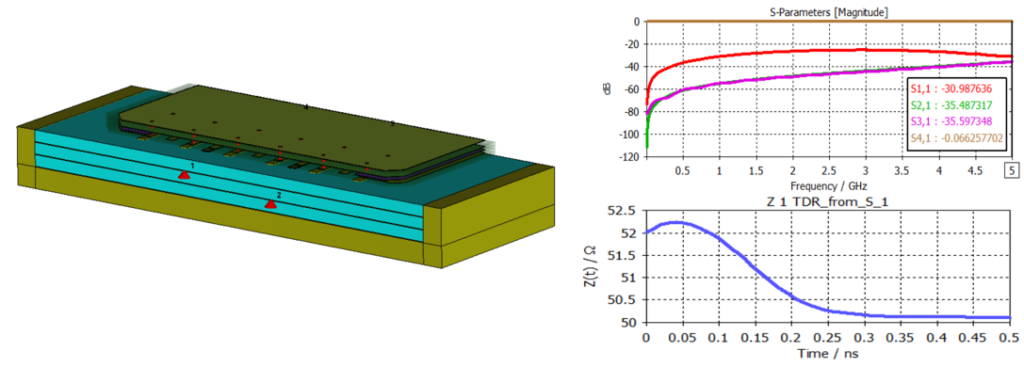
What makes this particularly significant is not just the accuracy of the simulation, but the way it changes the design process. Instead of building and testing multiple physical variants, engineers can explore a wide design space virtually, comparing configurations, materials, and geometries in a fraction of the time. The result is faster iteration, reduced cost, and a deeper understanding of system behavior.
Importantly, this is not limited to electromagnetics. Quantum hardware is inherently multiphysics. Thermal effects influence performance and stability, mechanical constraints emerge from extreme temperature gradients, and transient behaviors impact signal integrity. These domains are tightly coupled, and solving them in isolation is no longer viable. A MODSIM approach enables these interactions to be captured holistically, providing a more complete and predictive view of system performance.
Today, most simulation efforts in quantum computing remain focused at the component level. Interconnects, amplifiers, and cryogenic electronics are analyzed individually, often in disconnected workflows. However, as systems scale, the need for integration becomes unavoidable. The next step is to connect these elements into a coherent system model, capturing signal paths, thermal flows, and electromagnetic interactions across the entire architecture.
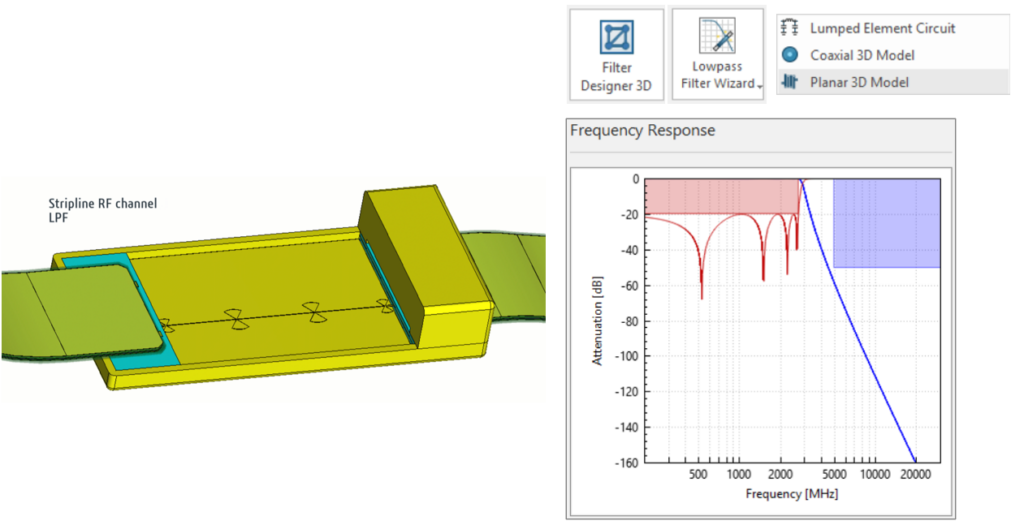
This is where the concept of the virtual twin begins to emerge. By creating a virtual representation of the quantum system, engineers can validate performance, identify bottlenecks, and optimize designs before committing to physical implementation. In an environment where experimentation is costly and constrained, this capability becomes a powerful enabler of innovation.
The broader implication is clear. Quantum computing is entering a phase where engineering discipline will determine the pace of progress. Just as simulation transformed industries such as semiconductors and aerospace, it is poised to play a foundational role in the development of scalable quantum hardware.
The companies that recognize this shift early will be better positioned to navigate the complexity ahead. By adopting simulation-led design, they can reduce development cycles, explore more ambitious architectures, and ultimately accelerate the path to practical quantum systems.
Quantum computing may be born in the lab. But it will be scaled, optimized and industrialized in simulation.
What to learn more? Check out this post in the SIMULIA community, sharing details of the study and the 3D model shown in this article.

Interested in the latest in simulation? Looking for advice and best practices? Want to discuss simulation with fellow users and Dassault Systèmes experts? The SIMULIA Community is the place to find the latest resources for SIMULIA software and to collaborate with other users. The key that unlocks the door of innovative thinking and knowledge building, the SIMULIA Community provides you with the tools you need to expand your knowledge, whenever and wherever.

Jonathan Oakley is currently Director of High-Tech Industry Enablement at Dassault Systèmes SIMULIA where he is responsible for technical content, advanced engagements, and new methodology. Previously he has held leadership positions at a Silicon Valley start-up company and at CST where he looked after North American sales prior to its acquisition by Dassault Systèmes in 2016. Jonathan has an engineering background in electronics and electromagnetic simulation and holds a B.Sc. in Electronic Engineering.