Challenge: 3M, the global science-based technology company, needed to enhance its existing infrastructure as the demand for faster and more reliable communication technologies continues to surge, especially in anticipation of 6G and the rise of other industry advancements.
Solution: The 3M team began using the electromagnetic simulation capabilities of SIMULIA’s CST Studio Suite to model the complex behaviors of millimeter wave transmissions. This allowed them to provide real-time insights into the types of materials and configurations before creating a physical prototype.
Benefit/Result: 3M is now positioned at the forefront of the 6G revolution, ready to tackle the growing demands for connectivity that autonomous driving, AI, and smart technology will impose. Integrating simulation and advanced materials technology will help 3M develop new products 5 to 10 times faster.
————————————————————————————————
Introduction
With the rise of autonomous vehicles, smart cities, and advanced AI applications, there is demand for technology that can support data rates and speeds far beyond what 5G can offer. The science-based technology company, 3M, aimed to develop knowledge to help them implement 6G, which is anticipated to require speeds up to 100 gigabits per second. This is ten times faster than 5G, and 3M understood that without a strategic approach, they would fall behind competitors already racing toward this revolutionary milestone. They needed to find a way to increase data bandwidth while simultaneously addressing the physical limitations of their existing infrastructure, which was primarily built around lower frequency bands.
Simulation Dials In
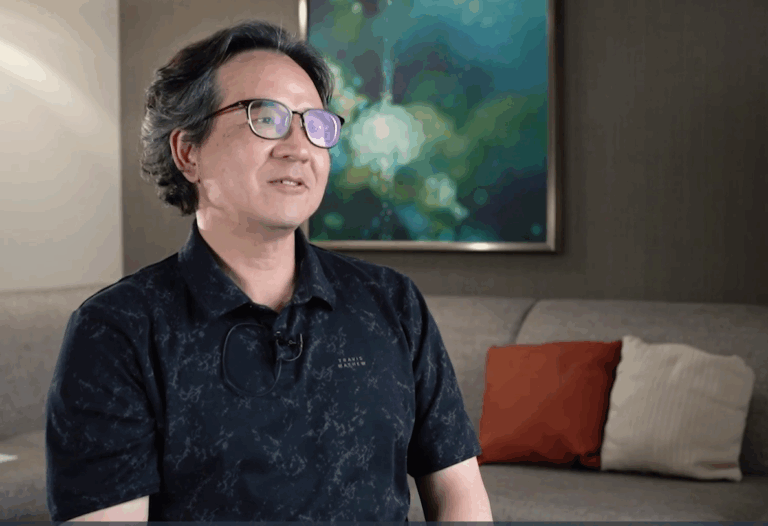
To tackle these challenges, Jaewon Kim, SIMULIA Champion and Advanced Research Specialist at 3M, turned to simulation technology. Using CST Studio Suite’s sophisticated simulation software, Jaewon and his team could model the complex behaviors of millimeter wave (mmWave) transmissions. This represented a fundamental shift in how they approached network design. The advantage of using simulation was the ability to provide real-time insights, allowing engineers to visualize and analyze the impacts of various materials and configurations before a single physical prototype was built.
Through simulation, 3M could investigate the influence of different antenna designs on the performance of its communication systems. They could simulate the effects of environmental factors, such as weather and urban landscapes, on signal propagation. This not only sped up the design process significantly but also reduced costs associated with the traditional trial-and-error prototyping methods. Moreover, simulation allowed them to test out the use of higher frequency bands, such as the 28GHz range, which is essential for mmWave technologies.
Internal Collaboration and Materials Development
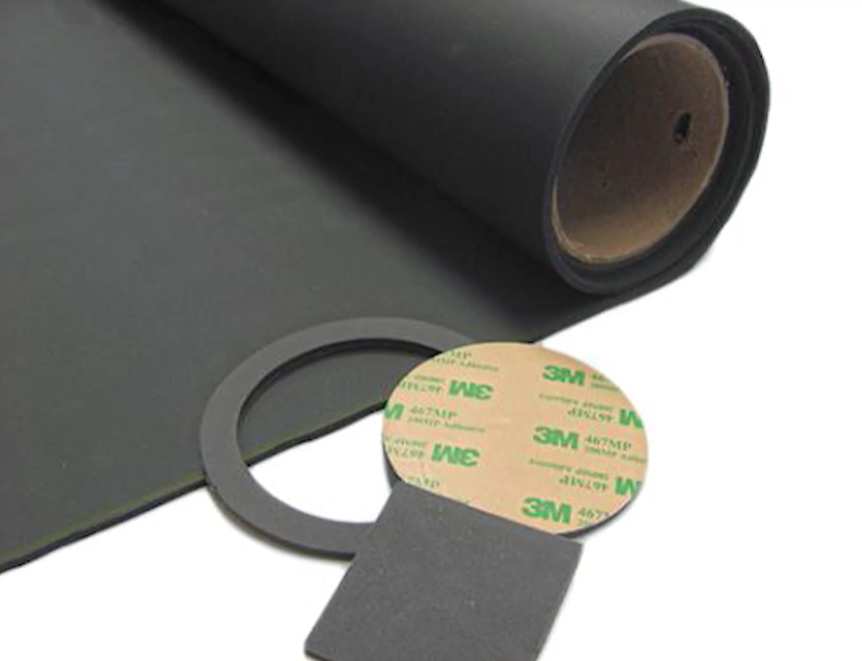
At the heart of 3M’s advancement was utilizing its own materials development organization in a collaboration focused on creating novel materials that would address the unique requirements of mmWave technology. 3M needed materials with low dielectric constants, which are critical for maintaining signal clarity at high frequencies. Traditional materials often did not meet the stringent requirements posed by the millimeter wave spectrum, leading to signal loss and degradation. 3M responded to these challenges by developing transparent conductive films that could be utilized as antennas or signal transmission devices. These materials were designed to minimize reflection and enhance the transmission of signals through various mediums, including windows, which are often problematic in urban environments.
“Simulation and modeling are critical to creating an idea and developing new materials. The process of how you have an idea for a new material, you’re going to use simulation to help develop it.” – Jaewon Kim, 3M
The new materials also incorporated EMI (electromagnetic interference) absorbers to prevent interference from other devices operating in close proximity, which is critical in highly populated areas. Thermal management also became a crucial factor in ensuring performance efficiency. As these advanced devices began to operate at higher data rates, they generated increased heat. 3M developed hybrid materials that combined thermal conductivity with electromagnetic properties, thus addressing both performance and safety concerns. These innovations were vital in making the technology commercially viable, ensuring that devices could not only perform exceptionally but also inhabit the real-world environments they were designed for.

Conclusion
Through this innovative approach, 3M successfully navigated the complexities of developing mmWave-based communication technologies. Their collaboration with their internal materials experts demonstrated how focusing on material science could significantly improve the efficacy of communication systems. By leveraging simulation technology, they laid a blueprint for future developments in the 6G landscape with unmatched speed and accuracy.
As they move forward, the lessons learned from this collaboration serve as a beacon for other organizations facing similar challenges. The integration of simulation and advanced materials technology will undoubtedly play a crucial role in defining the future of telecommunications, making it an exciting time for advancements in this essential industry. 3M’s journey offers an inspiring glimpse into how strategic partnerships and innovative thinking can propel businesses to new heights in an ever-evolving technological landscape.

Interested in the latest in simulation? Looking for advice and best practices? Want to discuss simulation with fellow users and Dassault Systèmes experts? The SIMULIA Community is the place to find the latest resources for SIMULIA software and to collaborate with other users. The key that unlocks the door of innovative thinking and knowledge building, the SIMULIA Community provides you with the tools you need to expand your knowledge, whenever and wherever.

Katie is the Editor of the SIMULIA blog, an expert in engineering and scientific communication, and a strategic digital marketer. Katie has a BA in English and Writing from the University of Rhode Island and a MS in Technical Communication from Northeastern University. She is also a proud SIMULIA advocate, passionate about democratizing simulation for all audiences. Katie is a native Rhode Islander who lives just outside of her favorite city, Providence. She is a true New Englander and loves sharing all the cool things NE has to offer. She enjoys a variety of hobbies including history, astronomy, science/technology, science fiction, true crime, fashion and anything associated with nature and the outdoors. She is also mom to a 6-year old budding engineer and two crazy rescue pups.