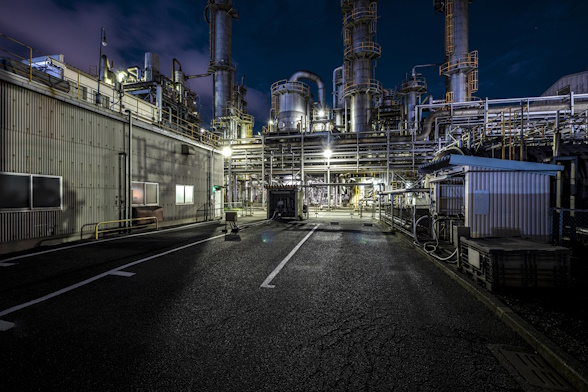
The green factory of the future represents a transformative, sustainable framework that redefines and revitalizes manufacturing and industrial engineering. This forward-thinking innovation positions the manufacturing industry as a key driver of environmental regeneration, paving the way for a more sustainable and resilient future.
The concept of the green factory of the future and the highly sustainable holistic framework the notion presents would fundamentally transform and renovate manufacturing and industrial engineering in the near future. Additionally, such innovation and forward-looking revolutionization would position the manufacturing industry as the future driver for environmental regeneration.
In my previous exploration of the green factory of the future, I introduced the five foundational pillars of a closed-loop, self-sustainable system: Automate, Optimize, Innovate, Integrate and Decarbonize. While the first pillar, Automate, has already been discussed, this second article delves deeper into the next three pillars: Optimize, Innovate and Integrate. These principles are essential to unlocking the full potential of sustainable manufacturing and driving meaningful progress toward a regenerative future.
Optimize
The green factory of the future is a highly connected, automated, and energy-efficient ecosystem, driven by the transformative power of digital innovation. By leveraging AI and other advanced technologies, these factories achieve optimized sustainability performance and energy-efficient manufacturing systems. Automation and real-time data play a pivotal role in monitoring and improving resources and systems. Technologies such as digital twins, augmented reality (AR), IoT sensors, AI analytics, machine learning (ML), automated guided vehicles (AGVs), robots, and cobots enable precise, data-driven decision-making. This empowers factories to predict production and equipment needs, identify inefficiencies, fine-tune processes, and achieve optimal sustainability and cost efficiency while monitoring the performance of the entire system. Real-time data enhances resource allocation, reduces energy and water consumption, and minimizes waste generation.
By integrating automation, AI, and emerging technologies, factories not only lower operational costs but also ensure compliance with evolving environmental regulations. This adaptability positions manufacturers to respond effectively to fluctuating market demands and industry challenges. Optimizing resources and consumption is essential for reducing carbon footprints and preserving the environment. These measures not only boost environmental sustainability but also enhance competitiveness, strengthen industry positioning, and attract environmentally conscious customers and stakeholders.
The green factory of the future optimizes resources through the intelligent integration of innovative technologies, automation, renewable energy adoption, closed-loop systems, and circular-economy principles. Strategies include deploying energy-efficient machinery, reprocessing water, recycling resources, and embracing disruptive innovations in raw materials and factory construction. By redefining operational excellence, manufacturers can meet the growing demand for reduced waste and resource consumption, paving the way for a cleaner, more sustainable future.
Innovate
Innovation is the cornerstone of the green factory of the future, enabling greener and more sustainable manufacturing practices. Achieving this vision requires implementing groundbreaking technologies, intelligent automation, circular design principles, and sustainable materials. By advancing factory organization to support adaptable and flexible production systems, manufacturers can unlock higher levels of sustainability. Key strategies include energy conservation, water preservation, and waste management.
Waste reduction is achieved through process optimization, lean manufacturing practices, and the adoption of closed-loop systems that enable recycling and reprocessing of materials. Supply chain improvements, such as transportation optimization and the use of sustainable materials, further minimize waste. Regular assessments and audits help identify waste-generating practices, while waste-to-energy conversion technologies and recycling programs enhance waste management.
Advanced technologies for real-time monitoring, leakage detection, and efficient water usage drive water conservation. Factories can implement systems to collect, manage, and reprocess wastewater, as well as adopt innovative methods such as rainwater harvesting. Installing water-efficient technologies further supports sustainable water management.
Energy efficiency is achieved through the adoption of renewable energy sources, energy-efficient equipment, and optimized factory designs. Digital twins and virtual production simulations streamline processes, while AI and IoT-based intelligent control systems track and improve energy consumption. Preventive maintenance and energy management systems further enhance energy efficiency, ensuring a sustainable and cost-effective operation.
The green factory of the future also extends its commitment to sustainability across the supply chain. By collaborating with environmentally responsible partners, reducing transportation emissions, and sourcing materials from ethical suppliers, manufacturers can nurture sustainable practices throughout their value chains. This holistic approach ensures that the green factory of the future not only transforms its own operations but also drives positive change across the entire manufacturing ecosystem.
Integrate
To shape a future-ready, sustainable manufacturing model, the green factory of tomorrow must embrace full digitalization and leverage advanced technologies such as digital twins, AI, IoT networks, augmented reality and smart grids. These innovations redefine sourcing and supply efficiency, reduce environmental impact and enhance economic performance. By integrating these transformative technologies, green factories unlock unprecedented capabilities, including predictive maintenance, transparent supply chains and optimized production processes. This seamless convergence of innovation and sustainability empowers manufacturers to lead with precision, responsibility, and resilience.
The integration of digital twins and IoT networks enables factories to identify inefficiencies and address waste in real time. Digital twins—highly accurate virtual replicas of factories and operations—offer a groundbreaking advantage by simulating complex scenarios using real-time data from IoT-connected smart sensors. These sensors provide a continuous stream of critical information from machines and systems, enabling digital twins to test production variables, operational adjustments, and more within a secure virtual environment. This capability allows manufacturers to optimize workflows, fine-tune equipment settings, and refine factory layouts without disrupting real-world operations. The ability to test virtually ensures safety, control and risk-free implementation. Furthermore, green digital twins provide a powerful tool for tracking carbon footprints and assessing environmental impact, driving sustainable practices with precision.
Smart grids further enhance the green factory of the future by revolutionizing energy management. By connecting to smart grids, factories can dynamically adjust energy consumption in real time based on current energy costs and grid conditions. This integration enables the use of renewable energy sources, improves energy efficiency, and automates energy usage across operations. The result is not only reduced operational costs and minimized expenses but also a stabilized local energy grid, contributing to a more sustainable energy ecosystem.
One of the most transformative benefits of digital twins and IoT sensors is their ability to enable predictive maintenance. This powerful combination delivers data-driven insights that revolutionize traditional equipment maintenance practices. By identifying potential issues before they escalate, manufacturers can extend machinery lifespan, reduce energy and material consumption, and avoid unnecessary repairs or replacements. Predictive maintenance also prevents production disruptions, faulty manufacturing, and the emissions and waste associated with equipment failures and defective products. This proactive approach ensures operational continuity while advancing sustainability goals.
Another critical advantage of a smarter, greener factory is the ability to achieve transparent supply chains. Emerging technologies such as IoT networks and blockchain provide end-to-end visibility into the condition of products and resources throughout the supply chain. This transparency allows manufacturers to trace materials to their origins, ensuring ethical sourcing and sustainable practices. Additionally, intelligent supply chains enable seamless data sharing with stakeholders, including regulators, customers, and investors, fostering trust, loyalty, and informed decision-making. Transparent supply chains also support the adoption of circular economy principles, enabling manufacturers to monitor product lifecycles and develop innovative strategies for recycling, reusing, and repurposing materials. This shift toward circular practices not only reduces waste but also positions manufacturers as leaders in sustainable innovation.
By embracing these advanced technologies and practices, the green factory of the future becomes a model of efficiency, sustainability and innovation, setting a new standard for responsible manufacturing.
Tomorrow’s Factory: Envisioning the Future of Manufacturing
The green factory of the future embodies a fully regenerative, closed-loop system designed to operate with near-zero environmental impact. Achieving this vision requires a bold transformation—drastically reducing energy consumption, adopting sustainable materials, applying circular design principles across processes and product lifecycles, leveraging fully automated, data-driven digital ecosystems, implementing smart waste and resource management and achieving complete decarbonization through renewable energy and zero-emission technologies. These transformative principles are captured within the five pillars of a closed-loop, self-sustainable green factory: Automate, Optimize, Innovate, Integrate and Decarbonize. By embracing these pillars and integrating advanced emerging technologies, organizations can elevate their environmental responsibility and drive exceptional eco-friendly performance.
DELMIA’s manufacturing sustainability portfolio empowers organizations to accelerate their journey toward net-zero and regenerative operations. With transformative capabilities, DELMIA enables manufacturers to modernize, streamline and reimagine not only factory processes, design and layouts but also entire value chains. This is achieved with unparalleled precision, agility, and accuracy, ensuring a future-ready approach to sustainable manufacturing.
DELMIA, a Dassault Systèmes brand, connects the virtual and real worlds to drive innovation and sustainability. Powered by the 3DEXPERIENCE platform, our end-to-end solutions integrate virtual twins, industrial AI and augmented reality to optimize manufacturing, supply chains and workforces. We empower businesses to reduce waste and achieve sustainable, customer-focused operations, building a more resilient future.
About the author
https://elitsakrumova.com/blog
https://www.linkedin.com/in/elitsa-krumova
https://x.com/Eli_Krumova
https://www.youtube.com/c/EliKrumova
https://www.instagram.com/elitsa_krumova
https://www.facebook.com/ElitsaKrumovaEK
https://www.threads.net/@elitsa_krumova

Elitsa Krumova, Global Thought Leader and B2B Tech Influencer in Emerging and Future Technologies | Independent at elitsakrumova.com